Stolac Day Tour from Mostar: Three Thousand Years in a Single Day
UNESCO tombstones, an Illyrian hilltop capital, an Ottoman mahala, and agrotourism lunch — all within forty minutes of your hotel. Optional transfer to Sarajevo at the end.
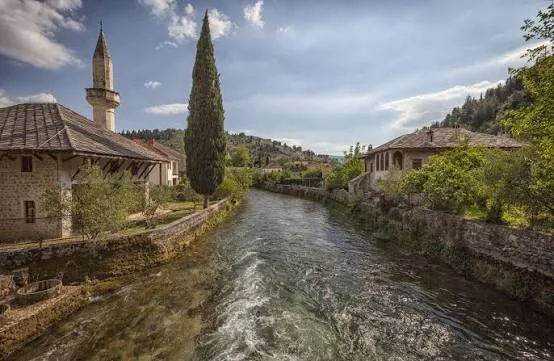
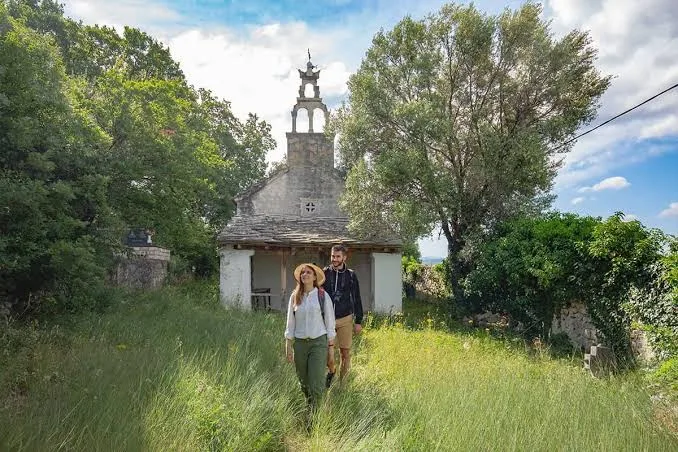
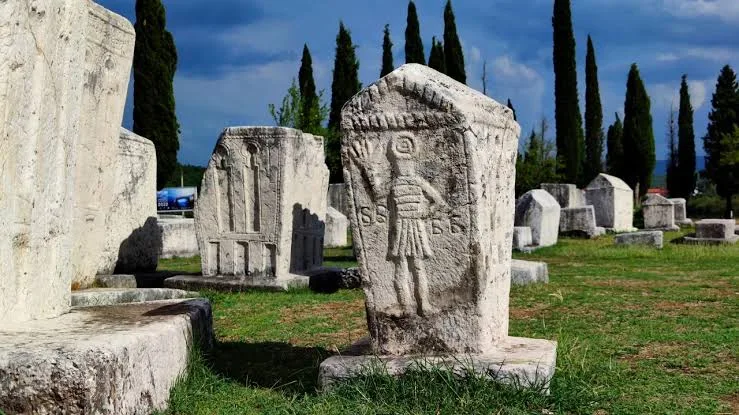
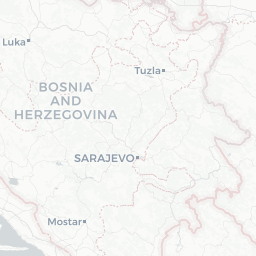
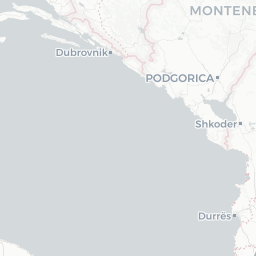
Stolac is forty minutes from Mostar and one of the oldest continuously inhabited places in Bosnia and Herzegovina. Most visitors staying in Mostar never go. The ones who do come back with a different understanding of the region — because Stolac holds things that predate Mostar by two thousand years. This tour covers them all in a single day: a UNESCO medieval tombstone field, an Illyrian hilltop capital, a preserved Ottoman quarter, lunch at a working Herzegovinian farm, and a coffee on the Bregava river. Finishing in Mostar or continuing to Sarajevo — your choice. Most guests staying in Mostar have never heard of Stolac. It sits in a bend of the Bregava river, quiet and unhurried, and it has been inhabited without interruption since the Bronze Age. The Illyrians were here. The Romans passed through. Medieval Bosnian lords built their fortress on the hill above the town. The Ottomans built a neighbourhood at its feet. And someone, between the 12th and 16th centuries, carved over 130 extraordinary tombstones in a field just outside town. That field is where the day begins.
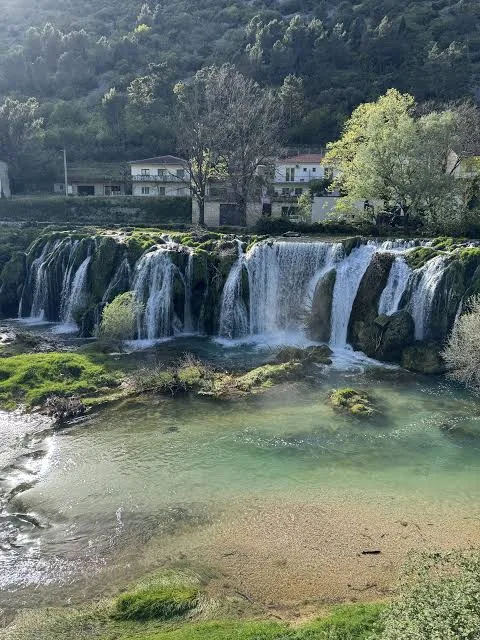
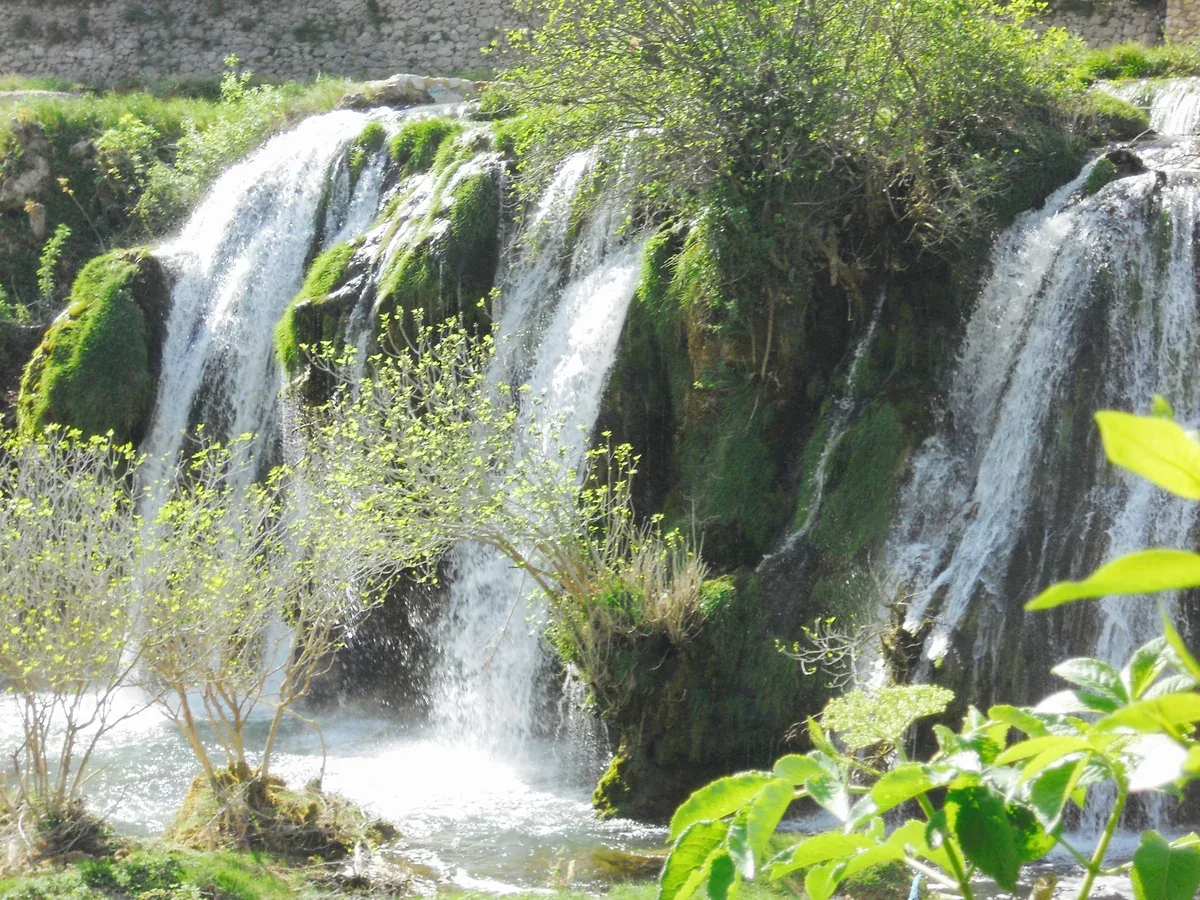
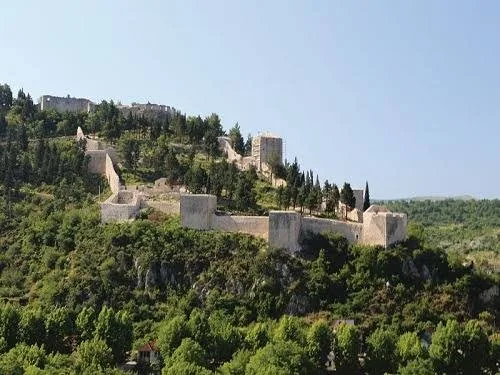
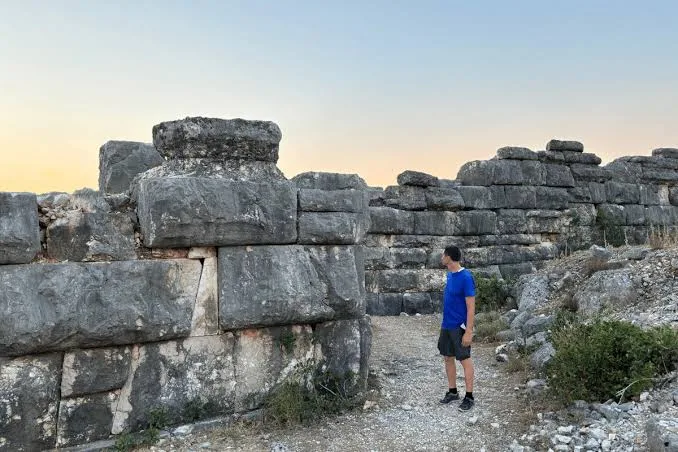
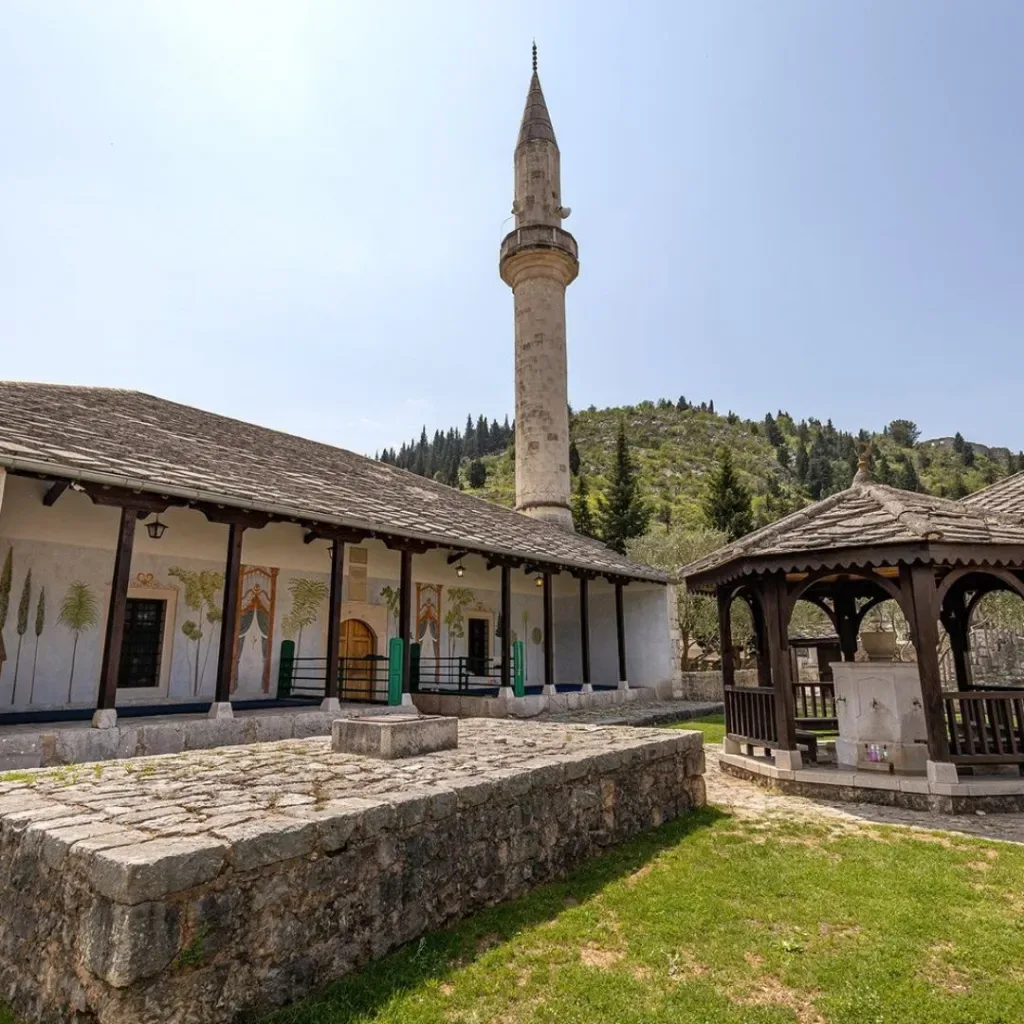
The Radimlja necropolis is a UNESCO World Heritage site. Over 130 stećci — medieval monolithic tombstones — stand in open grass, carved with knights on horseback, vine spirals, hunting scenes, crescent moons, and geometric patterns that scholars still argue over. There is no fence. No ticket booth. Just the stones, the landscape, and your guide explaining what is known and honest about what remains a mystery. Old Town Vidoški is the medieval fortress above Stolac, built on Illyrian foundations that go back to the 4th century BC. Daorson, just above it, was the hilltop capital of the Daors tribe — the Hellenistic dry-stone walls are still standing at the summit and contain some of the best-preserved polygonal masonry in the Balkans. Coming down from the hill, Begovina waits: a 17th-century Ottoman residential complex with stone houses — inhabited, intact, and empty of tourists. Coffee on the Bregava river is the afternoon's pace change. The water is turquoise and cold even in summer; the bank is quiet. Lunch follows at a local agrotourism — Herzegovinian food from the farm, prepared that morning. By mid-afternoon you're heading back north. Guests returning to Mostar are dropped off in the city centre by 16:30. Guests continuing to Sarajevo join the minibus back through the Neretva canyon, arriving in the capital by evening.


Tour highlights
Daorson and Vidoški involve uphill walking on uneven ground — nothing technical, but you'll feel it. Begovina and Radimlja are flat. Comfortable, closed shoes with some grip are recommended.
What's included
Included
Not included
Is this tour right for you?
This tour is for you if…
This tour may not be right if…
Important information
Accessibility & Suitability
What to expect physically, and who this experience suits best.
Some walking and standing; a reasonable base level of fitness is helpful.
Is this for you?
You should be able to
- Walk on uneven, sometimes uphill groundDaorson and Vidoški involve some uphill walking on uneven terrain.
- Tolerate prolonged sun exposureRadimlja and Daorson are open-air sites.
Terrain
Uphill walking on uneven ground at Daorson and Vidoški; flat at Begovina and Radimlja
Good to know
Walking: roughly 3–4 km across all stops, over about 6.5 hours (longer with the optional Sarajevo transfer). Recommended for ages 10 and up — Daorson involves some uphill walking over uneven ground. Comfortable, closed shoes with grip are the right call. Radimlja and Daorson are open-air sites; dress for the weather.