Sarajevo to Mostar and Stolac: A Full Day in Ancient Herzegovina
UNESCO tombstones, Illyrian ruins, an Ottoman mahala, and the Old Bridge — one full day across Herzegovina with a guide who knows every layer
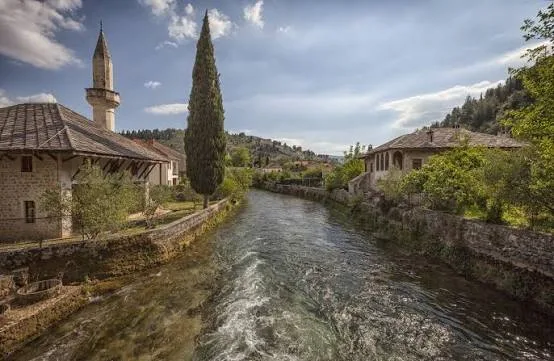
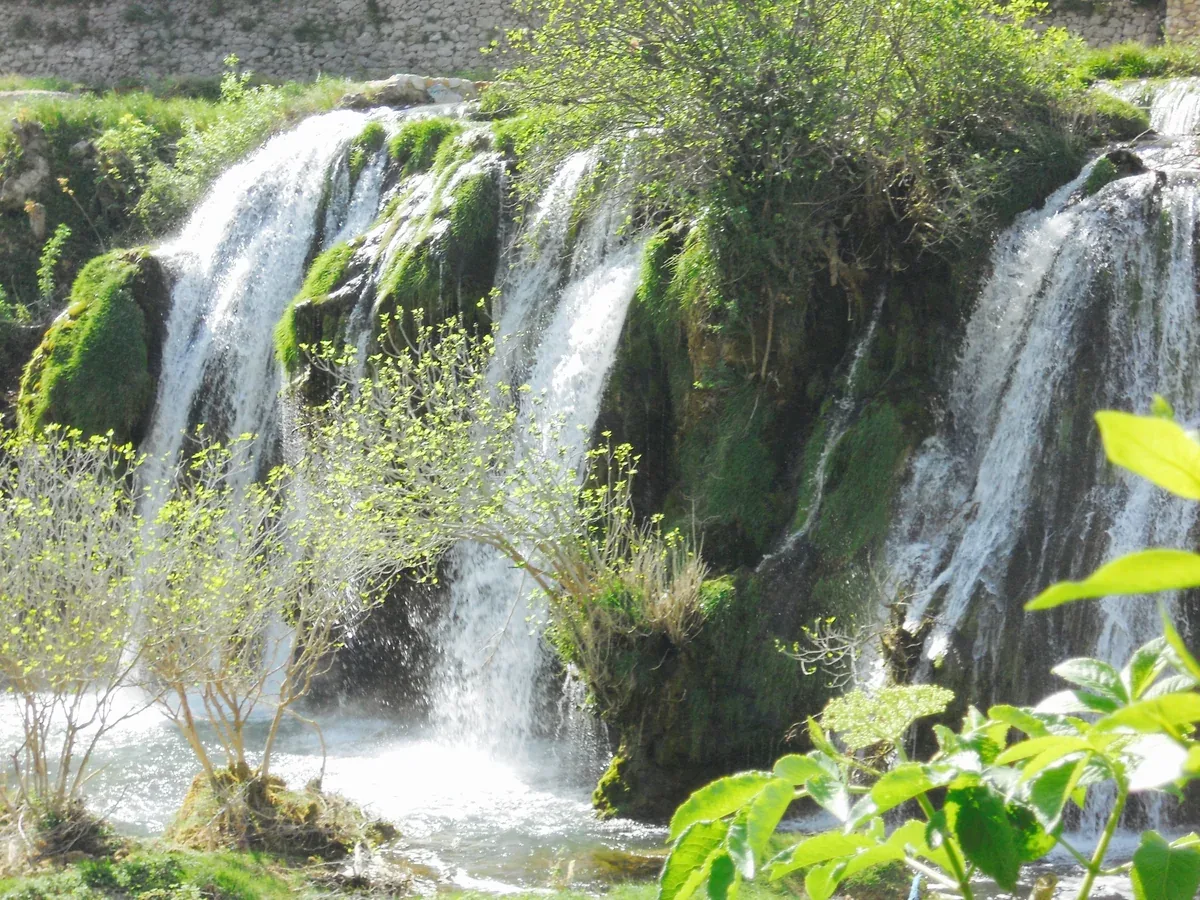
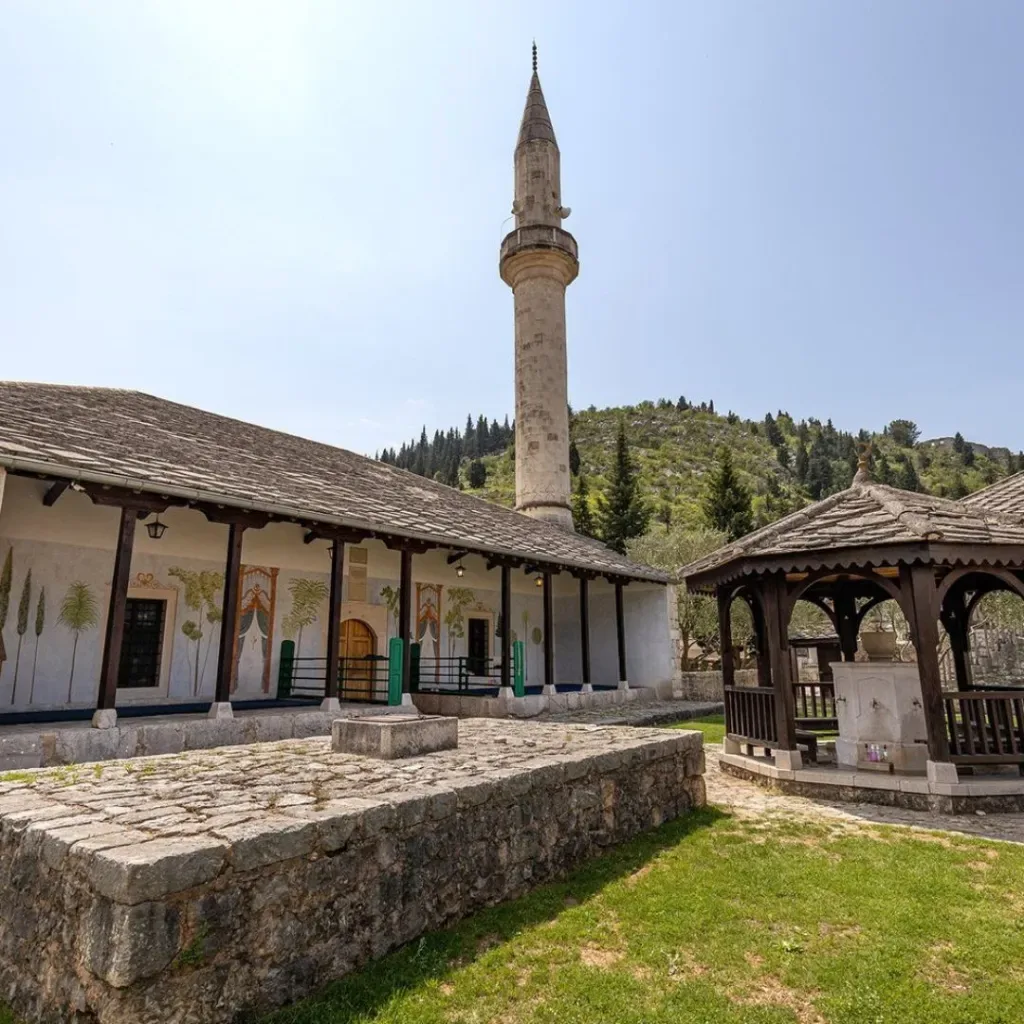
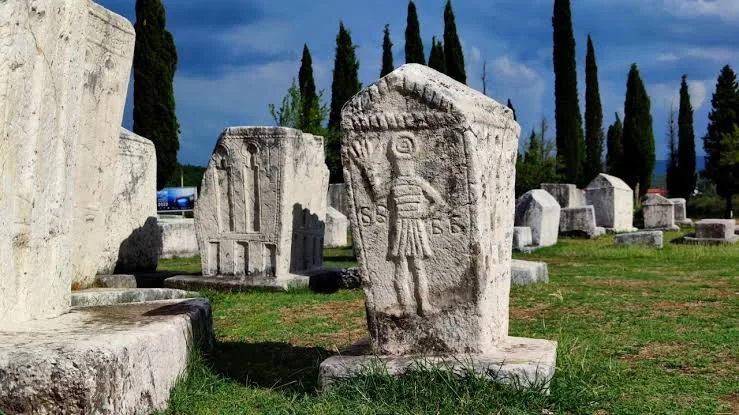
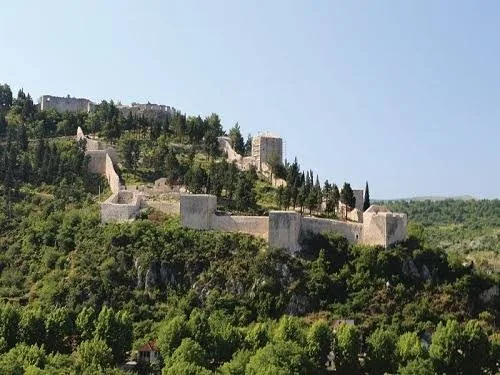
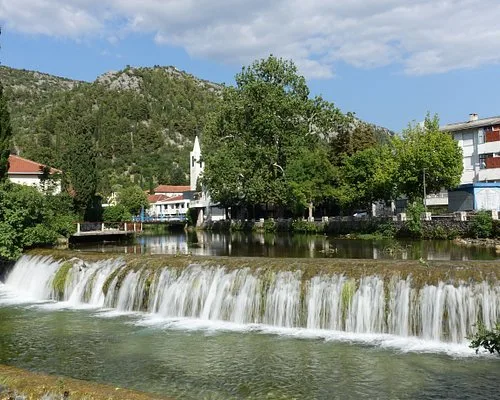
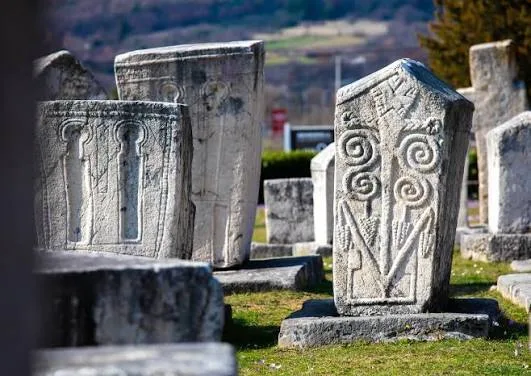
Most tours from Sarajevo stop at Mostar. This one goes further — to Stolac, one of the oldest continuously inhabited towns in Bosnia and Herzegovina, where three thousand years of settlement left ruins on top of ruins. You'll walk a UNESCO stećci field, a 4th-century BC Illyrian hillfort, a 17th-century Ottoman mahala, and the banks of the Bregava river before you ever reach the Old Bridge. Mostar comes at the end, with context.
The Neretva valley road out of Sarajevo is reason enough to take a window seat. The canyon opens wide as you descend, the river turquoise below limestone cliffs, fig trees growing out of stone walls. Herzegovina announces itself early. By the time the minibus reaches Mostar, your guide has already started talking — the landscape has history too, and this one knows it.
Stolac sits in a bend of the Bregava river and has been inhabited without interruption for millennia. Illyrians built a capital on the hill above it. Medieval Bosnian lords built a fortress on the same hill. The Ottoman empire built a mahala at its feet. And in a field just outside town, a community of medieval Bosnians carved their most elaborate tombstones and left them standing in the grass, unsupervised, for six hundred years. That field is Radimlja, and it is where the day begins.
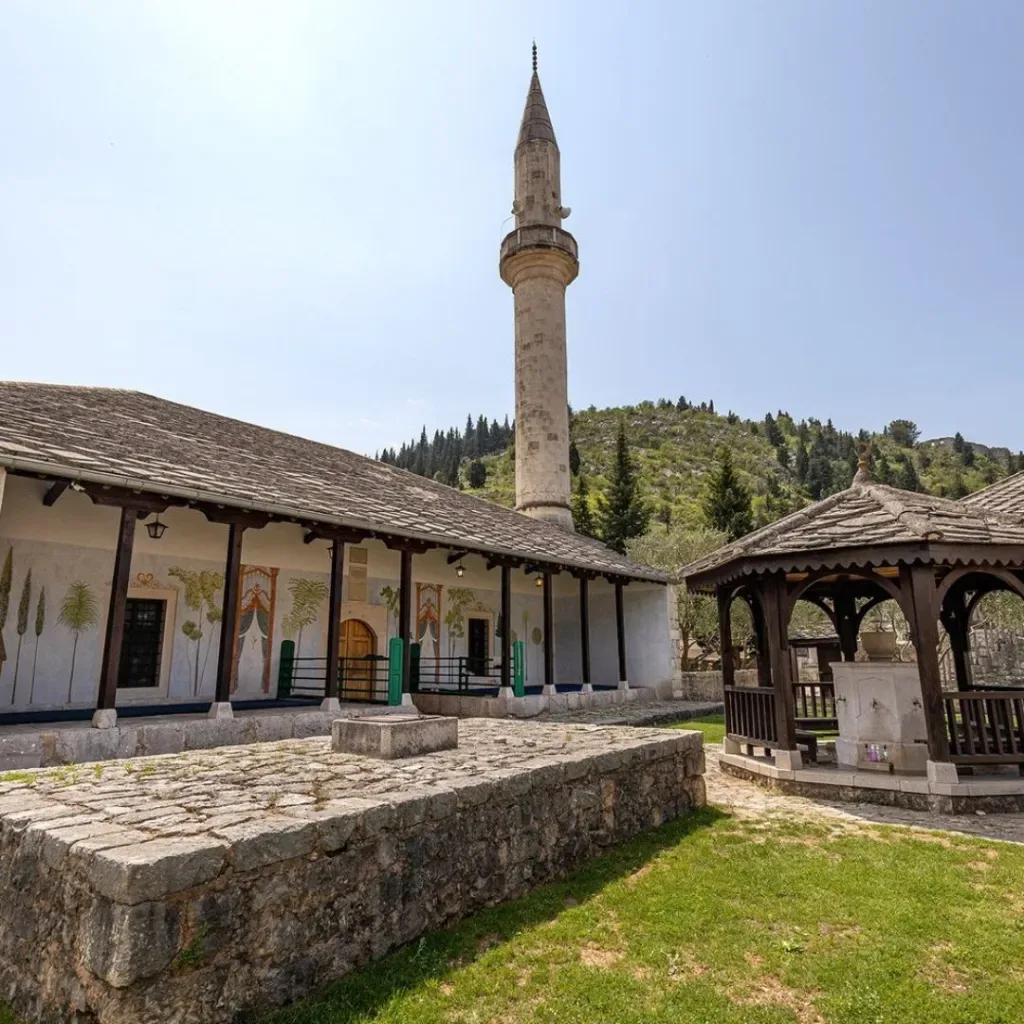
After the ruins, the afternoon slows. Begovina is Stolac's 17th-century Ottoman residential quarter — stone houses, a česma, a small mosque — all still standing and still inhabited. It is one of the best-preserved Ottoman civilian complexes in Bosnia, and almost no international tour makes the detour. The Bregava river runs beside it, cold and fast even in summer. Coffee here is mandatory.
The Stari Most bridge and the Kujundžiluk bazaar are among the most recognised images in the Balkans. Arriving after a day in Stolac changes how you read them. The bridge was built by the same empire that built Begovina. The bazaar was designed for the same slow commercial rhythm you walked through all afternoon. Your guide stays with you through the old town. Then you drive back north through the canyon as the light drops.


Tour highlights
This is a long day (~13 hours) with a short uphill climb on uneven ground at Daorson; Radimlja and Begovina are mostly flat, and Mostar's old town is cobbled. No hiking or technical terrain — comfortable shoes are enough.
What's included
Included
Not included
Is this tour right for you?
This tour is for you if…
This tour may not be right if…
Important information
Accessibility & Suitability
What to expect physically, and who this experience suits best.
Some walking and standing; a reasonable base level of fitness is helpful.
Is this for you?
You should be able to
- Walk a short distance on uneven groundA short uphill climb at Daorson; the rest is mostly flat or cobbled.
- Tolerate prolonged sun exposureRadimlja and Daorson are open-air sites.
- Manage a long day away from SarajevoRoughly 13 hours door to door, 07:00–20:00.
Terrain
Mostly flat and paved, with a short uphill climb on uneven ground at Daorson and cobbled streets in Mostar's old town
Good to know
Walking: roughly 4–5 km across all stops combined, over a long day (~13 hours) away from Sarajevo. No hiking or technical terrain — comfortable shoes are enough. Radimlja and Daorson are open-air sites; dress for the weather.