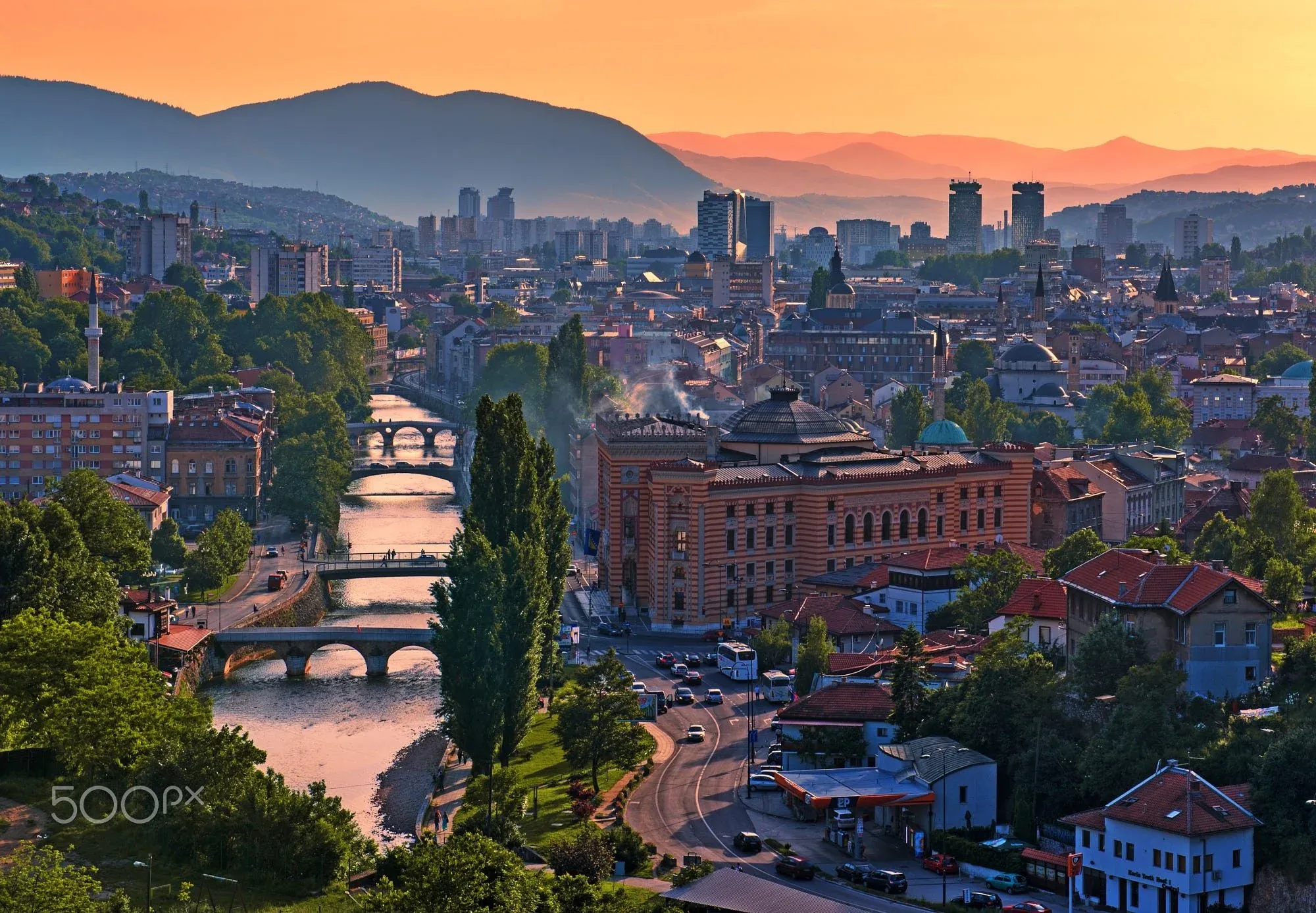
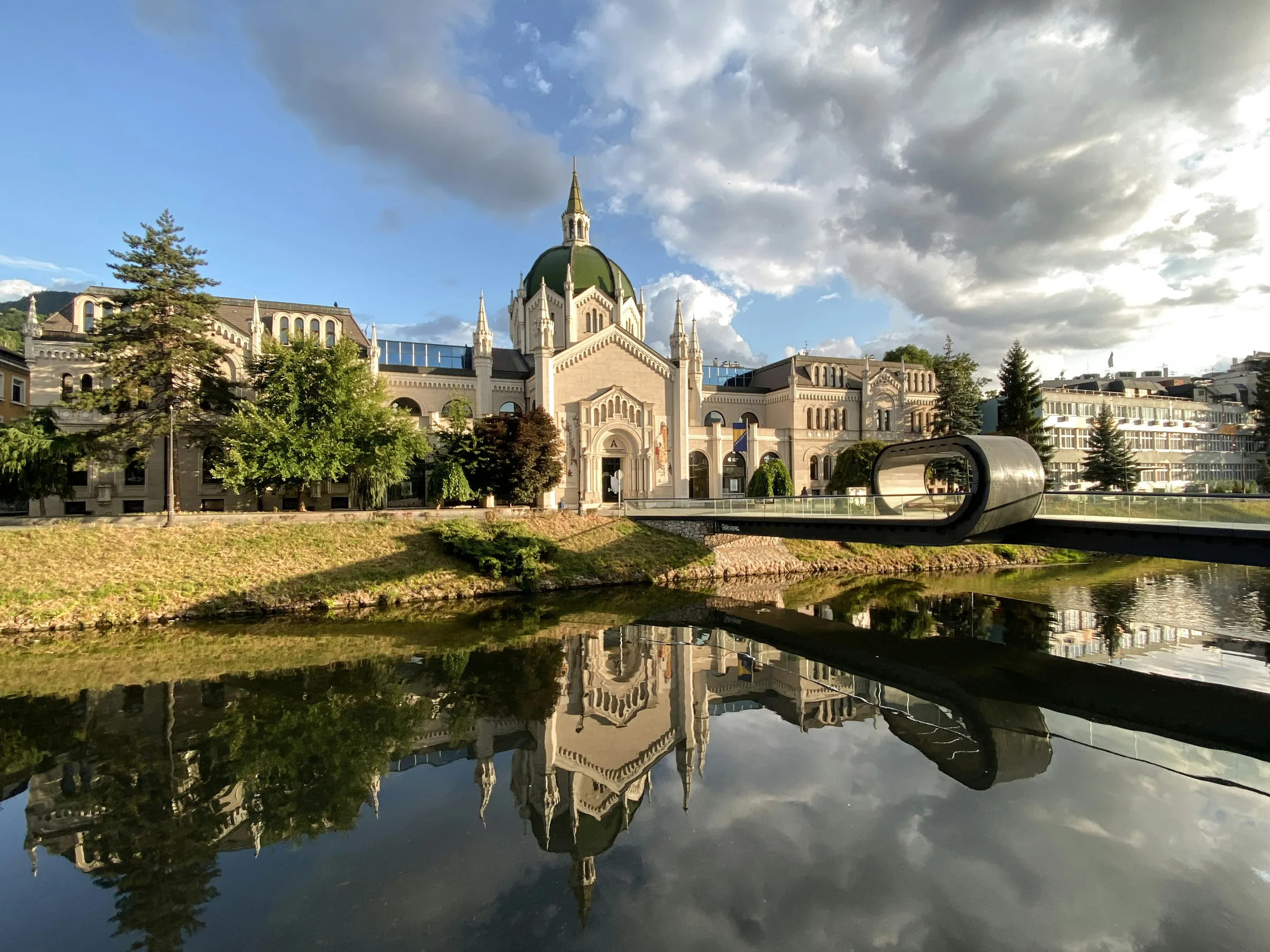
In Sarajevo's old town, a mosque, a Catholic cathedral, an Orthodox church, and a synagogue sit within a five-minute walk of each other. I've walked this route hundreds of times with guests, and it never stops surprising people — including me.
Why I Still Love Showing This Walk
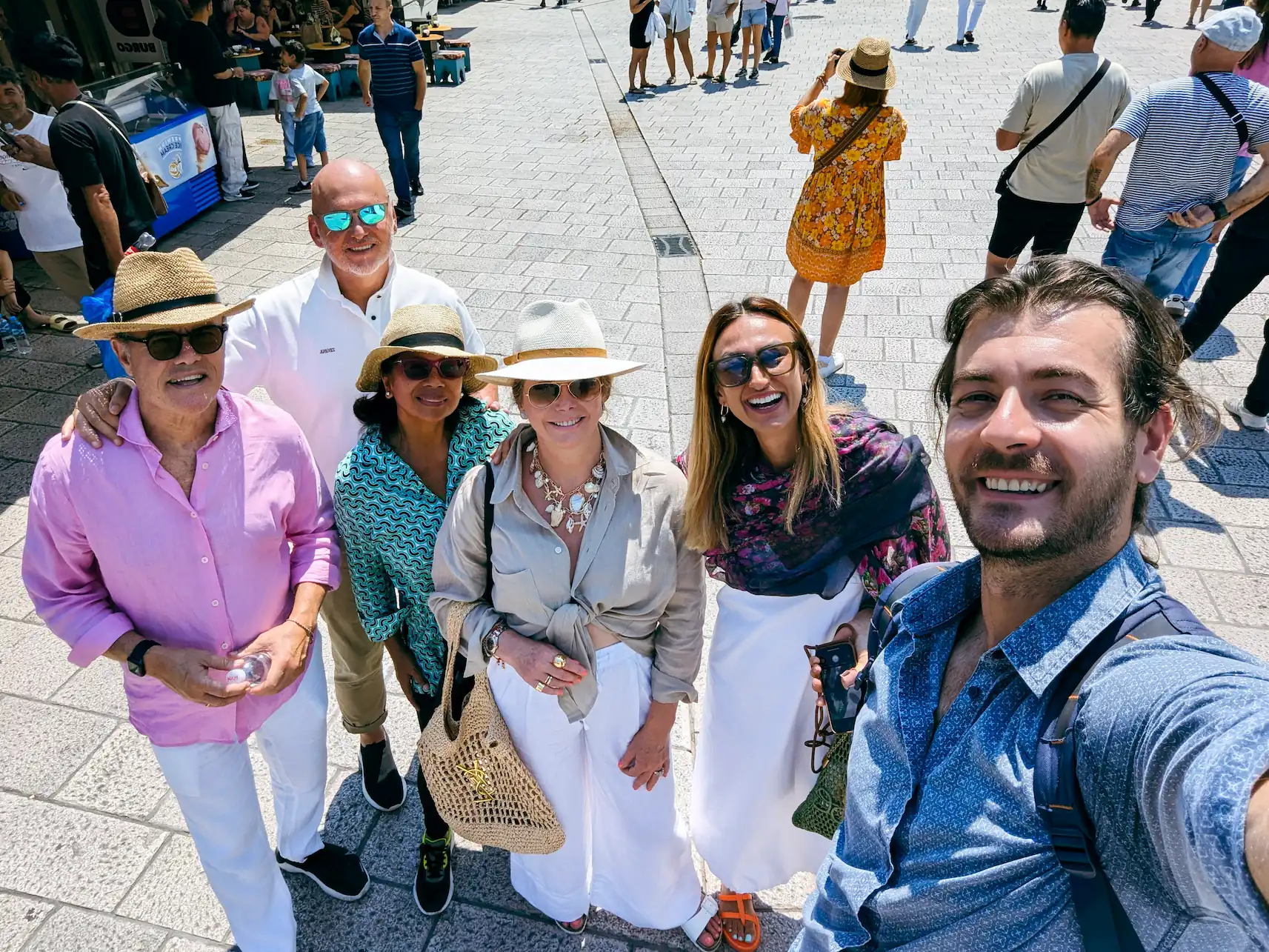
I've been guiding in Sarajevo for 14 years, and this short walk is still one of my favorites. It's not flashy. There's no big viewpoint, no dramatic canyon. It's just streets. But when I tell guests that within 500 meters they'll pass through the heart of four different faiths, most of them stop and ask me to repeat it. I get it — most cities don't build like this. Sarajevo did, out of necessity and out of habit, over centuries.
Starting at Gazi Husrev-beg Mosque
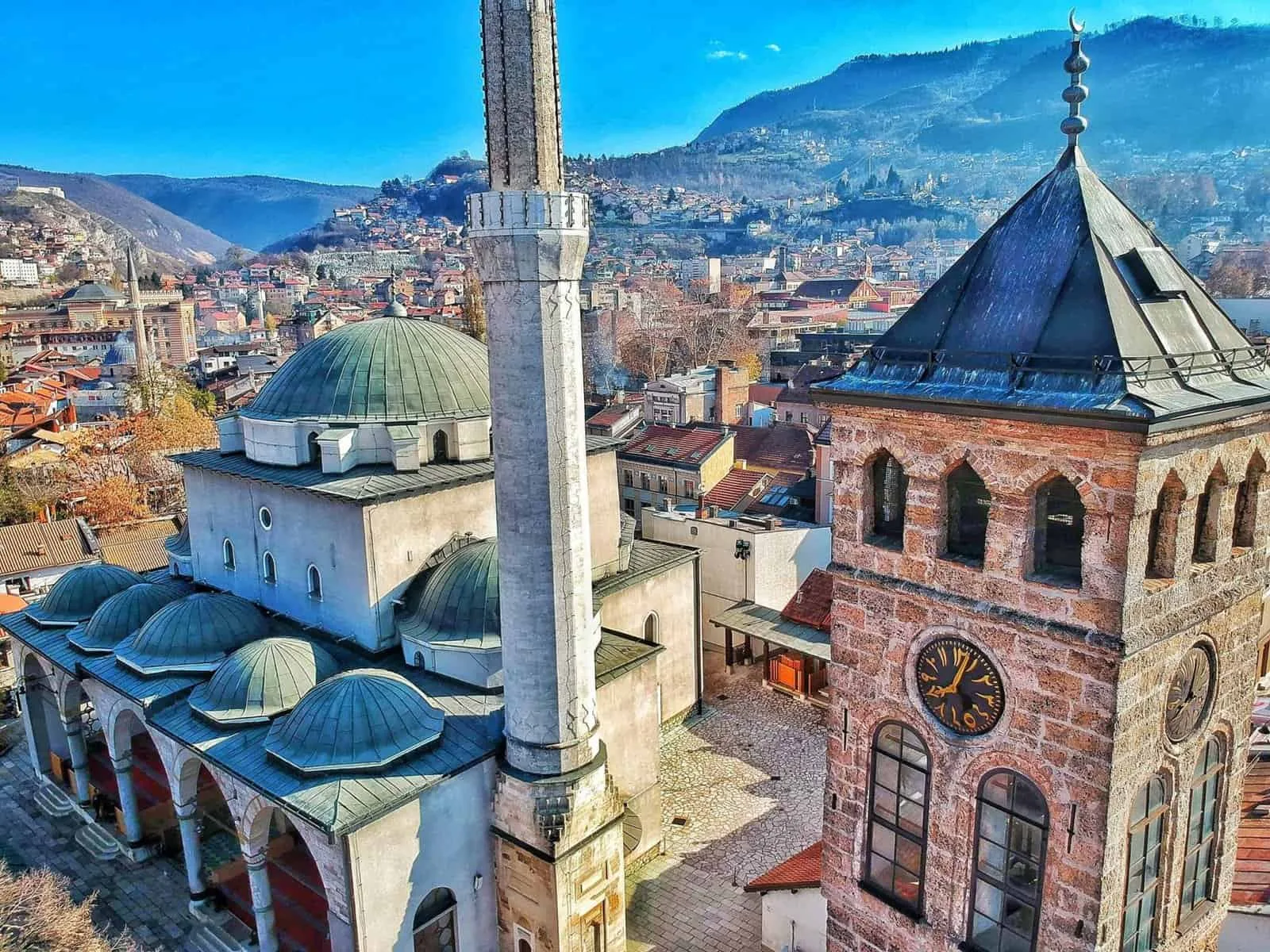
I usually start here because it's the oldest of the group. It was built in 1531, during Ottoman rule, and it's still the largest mosque in Bosnia and Herzegovina. What I like pointing out to guests is the courtyard — the fountain, the plane trees, the quiet. It doesn't feel like you're in the middle of a busy market street, even though you are. The mosque was funded by Gazi Husrev-beg, an Ottoman governor who shaped a huge amount of what Sarajevo's old town looks like today, including the covered bazaar nearby.
Next Stop: Sephardic Synagogue / The Jewish Museum
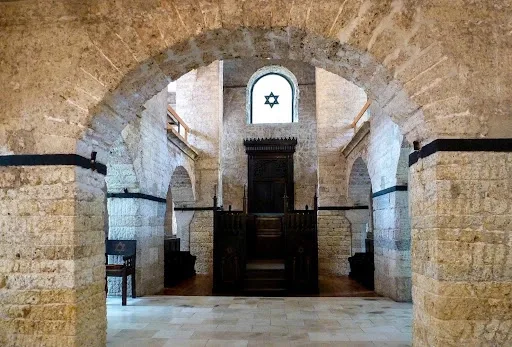
A short walk from the mosque, right in the heart of Baščaršija, is a building that used to be the Old Synagogue — built in 1581, the oldest synagogue in the country. It stopped being used for regular worship and was turned into the Jewish Museum of Bosnia and Herzegovina in 1966. Inside, it tells the story of Sarajevo's Sephardic Jewish community, who arrived in the late 1500s after being expelled from Spain. What I like about this stop is that it's not a plaque or a ruin — you can walk into the same building, see the old prayer hall, and get a real sense of how central this community once was to the city.
The Cathedral of Jesus' Sacred Heart
From there, I take guests to the Cathedral of Jesus' Sacred Heart, the main Catholic cathedral in Sarajevo, finished in 1889 during the Austro-Hungarian period. It's the youngest of the four stops, but it fits the pattern — another empire, another faith, added to the same few streets.
Finishing at the Old Orthodox Church
The last stop is the Old Orthodox Church, tucked into a nearby street. It's one of the oldest Orthodox churches in the region, with parts dated to the 16th century — though historians still debate exactly how old the original structure is. I mention that uncertainty to guests, because I think it's more honest than pretending we have a clean answer.
What This Walk Actually Teaches You
I don't do this walk to say "look how tolerant everyone always was" — that's too simple, and not fully true. Sarajevo has had hard chapters, including recent ones. But the physical closeness of these buildings tells you something real: for a long time, people here built their lives next to each other, not apart from each other.