Stolac sits in the Bregava river valley in southern Herzegovina and has been continuously inhabited since the Stone Age. It is one of the most historically layered and visually striking towns in the western Balkans — and almost nobody outside Bosnia knows it exists.
There are towns that have history. And then there are towns that are history — places where the layers of human habitation go so deep that every hillside, every stone, and every river bend carries the evidence of someone who came before. Stolac, in southern Herzegovina, is emphatically the second kind. Human settlement in the Stolac area dates back to the Neolithic period — over 4,000 years of continuous habitation in a river valley that sits between limestone cliffs and the clear, cold waters of the Bregava river. Illyrians, Romans, medieval Bosnian kings, Ottomans, and Austro-Hungarians all left something here. The result is a town of extraordinary density — historically, architecturally, and atmospherically.
The Bregava River & the Old Town
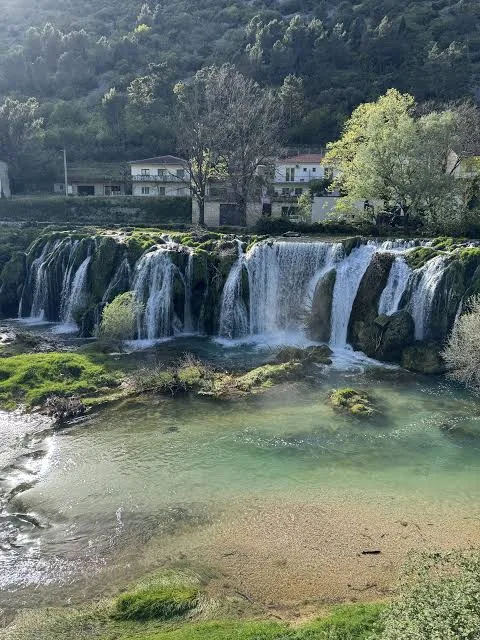
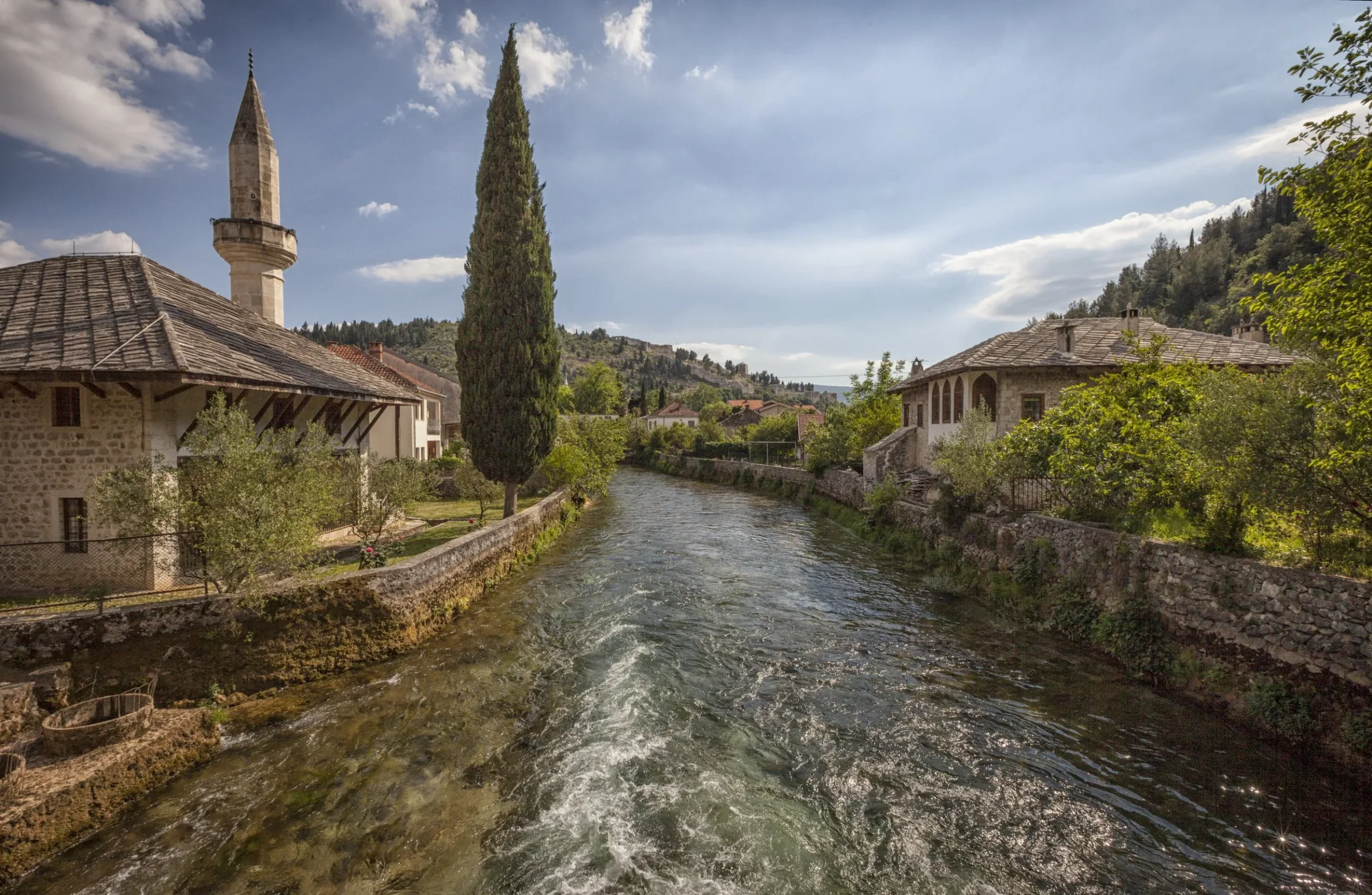
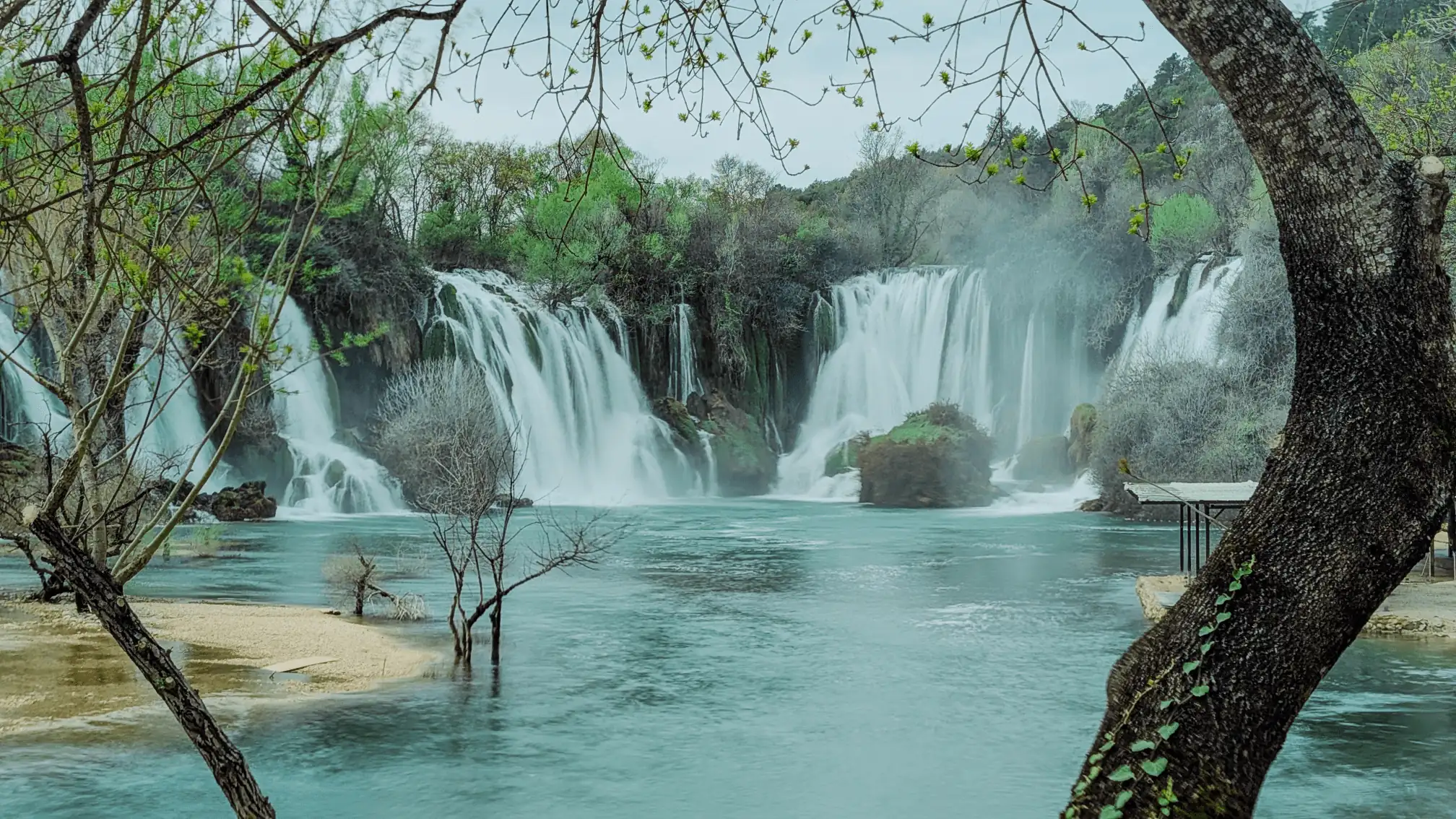
The Bregava is the defining feature of Stolac. Fed by underground springs in the limestone karst above the town, it runs cold and vivid blue-green through the centre, crossing under Ottoman bridges and past stone houses that have their foundations in the water. Swimming in the Bregava on a summer afternoon, with the old town visible from the water and the cliffs rising above it, is one of the simplest and most beautiful experiences available anywhere in Herzegovina. The old town clusters around the river and climbs toward the Ottoman-era fortifications above. Arslanagić Bridge — a 17th-century Ottoman humpback bridge — crosses the Bregava with the particular elegance that Ottoman bridge builders applied to every crossing they considered important. The čaršija, the old bazaar, runs along the riverbank with stone-fronted shops and houses that date from the 18th and 19th centuries.
Stolac is the kind of town that takes about twenty minutes to walk across and about three days to properly see. The density of what is here — the layers, the stories, the quality of the light in the afternoon — rewards slowness completely.
Daorson — The Illyrian Fortress
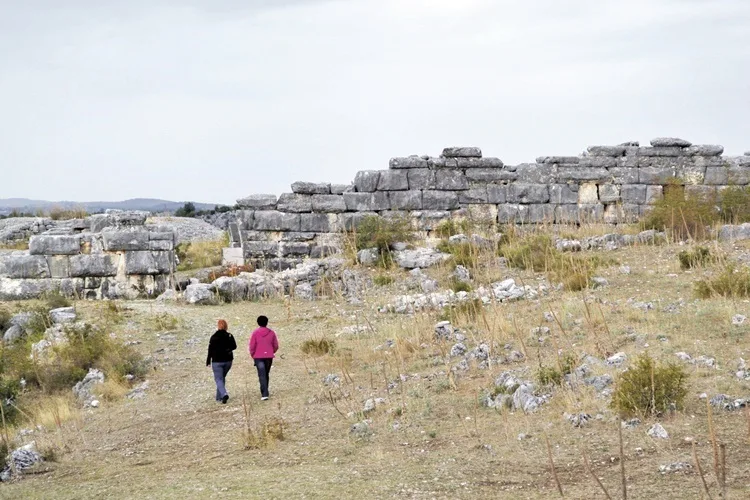
Above the town, on a limestone ridge that overlooks the entire Bregava valley, sit the ruins of Daorson — an Illyrian fortified settlement from the 4th and 3rd centuries BC. The cyclopean stone walls, built from massive irregular limestone blocks fitted without mortar, are among the most significant pre-Roman archaeological remains in the western Balkans. Standing inside the walls of Daorson and looking down over Stolac, the Bregava valley, and the hills stretching south toward the Adriatic is one of those moments that recalibrates your sense of time. People have been standing on this ridge, looking at this view, for over two thousand years. The Illyrian tribe that built this fortress — the Daorsi — traded with Greek colonies along the Adriatic coast and minted their own coins. Their capital sat on this hill, above a river that is still running cold and clear below. The site is unmanaged, unfenced, and largely unknown to international visitors. You will almost certainly have it to yourself.
The Stećci of Radimlja
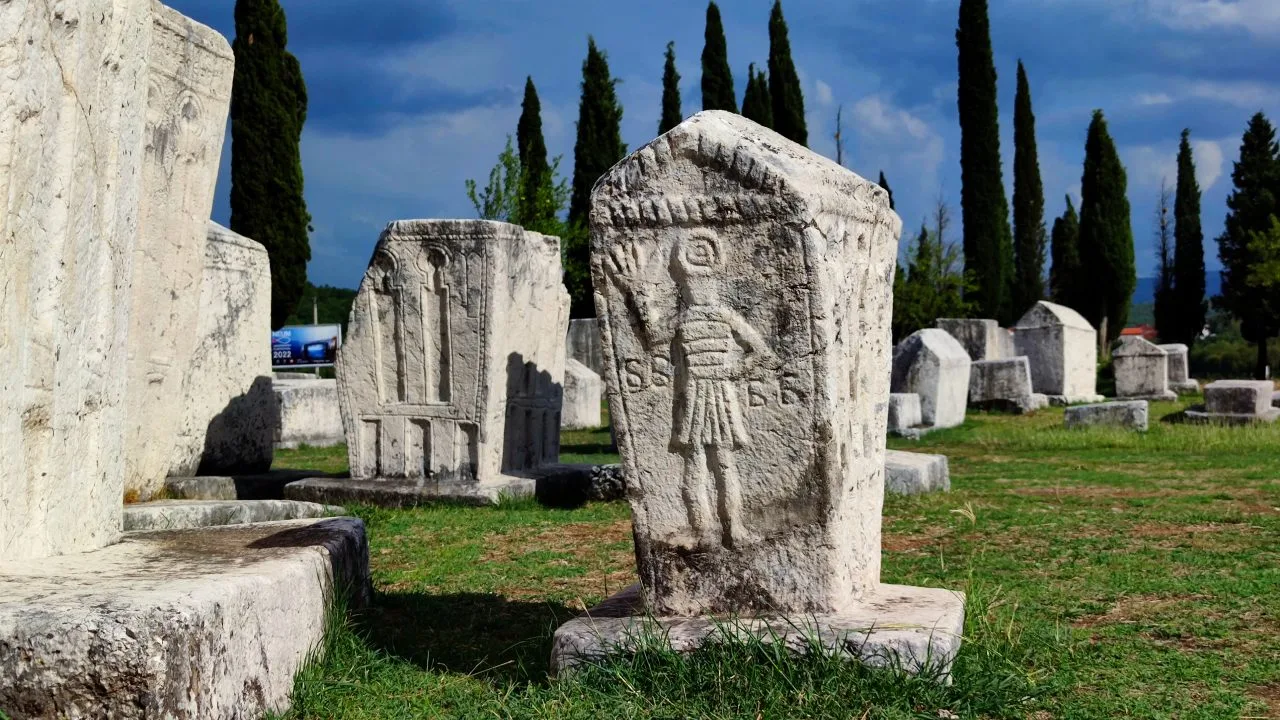
Three kilometres west of Stolac, in a field beside the road to Mostar, sits the necropolis of Radimlja — one of the largest and most impressive collections of stećci in Bosnia and Herzegovina. Stećci are medieval monumental tombstones, found primarily across Bosnia, Herzegovina, and parts of Serbia and Croatia, dating from the 12th to the 16th centuries. UNESCO inscribed them as a World Heritage Site in 2016. Radimlja holds over 130 stećci, many decorated with carved reliefs — hunting scenes, human figures, geometric patterns, hands raised in gestures that archaeologists are still interpreting. The craftsmanship is extraordinary. The setting — an open field framed by dry stone walls and scrubby Herzegovina vegetation — is completely unchanged from how it looked when the last stone was placed here six centuries ago. Nobody is entirely certain what the people who carved these stones believed. The mystery is part of what makes them so compelling.
What Happened to Stolac in the 1990s
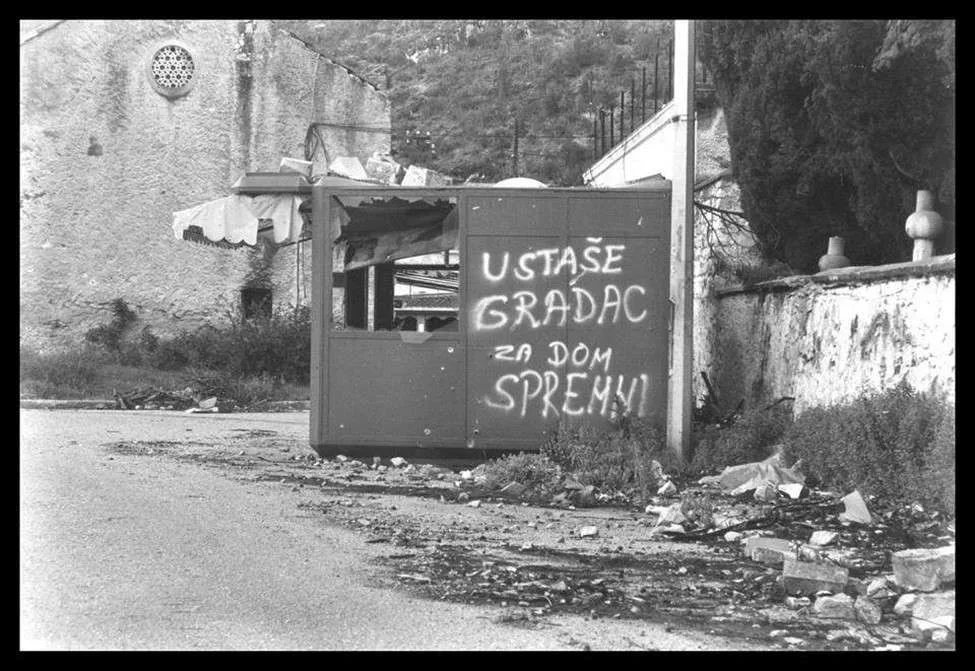
Stolac did not escape the Bosnian War. In 1993, during the Croat-Bosniak conflict, the town's Bosniak population was expelled and much of the Ottoman-era architecture — mosques, bridges, houses — was systematically destroyed. The damage was severe and deliberate. What you see in Stolac today is the result of decades of reconstruction — imperfect, ongoing, and in some places still unfinished. The rebuilt mosques stand alongside buildings that still show shell damage. Some streets in the old town are fully restored. Others are not. The town carries its recent history visibly, the way Sarajevo does, as a layer on top of all the others rather than something smoothed over. Understanding what happened here makes the experience of visiting more honest and more meaningful. Stolac is not a museum town preserved in amber. It is a living place that has survived things that should not have happened and is still, slowly, putting itself back together.
Getting to Stolac
Stolac sits approximately 50 kilometres southeast of Mostar and around 170 kilometres from Sarajevo. It is most naturally combined with a visit to Mostar as part of a full Herzegovina day — or visited as a standalone destination for travelers who want to go deeper into the region than the standard itinerary allows. The drive from Mostar through the Bregava valley is beautiful in its own right — limestone cliffs, dry scrubland, the occasional village with a minaret visible from the road. Stolac rewards visitors who arrive without a tight schedule and leave only when the light changes. Most of Bosnia's best places are like that.