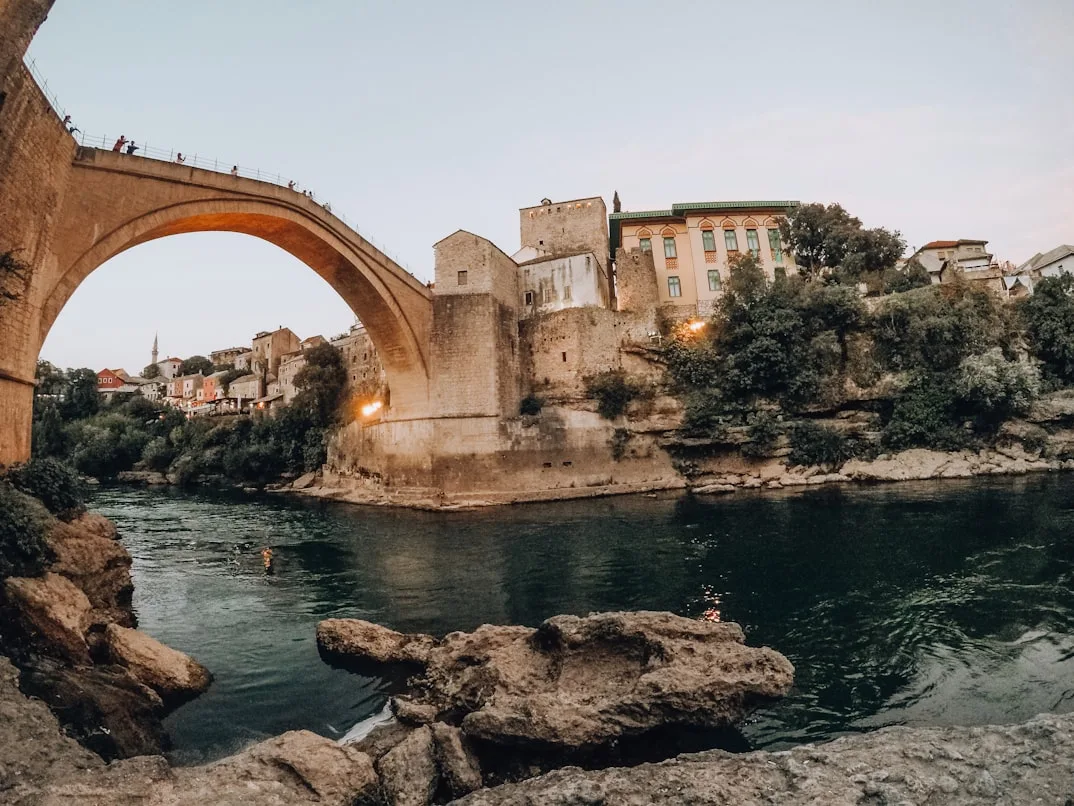
Some bridges carry traffic. And then there are bridges that carry meaning. Mostar's Stari Most — the Old Bridge — is one of the few structures in Europe that belongs firmly in the second category. It is 29 metres long, 21 metres above the Neretva river, and it took Ottoman master builder Mimar Hayruddin nine years to complete. When it was finished in 1557, it was the widest man-made arch in the world. For 427 years it stood unchanged.
Heritage18 June 2026
Mostar's Old Bridge: The Story Behind Bosnia's Most Iconic Landmark
The Old Bridge in Mostar has stood — and fallen, and risen again — for over four centuries. This is the story behind the stone arch that became a symbol of an entire country's resilience.
Built to Last, Built to Inspire
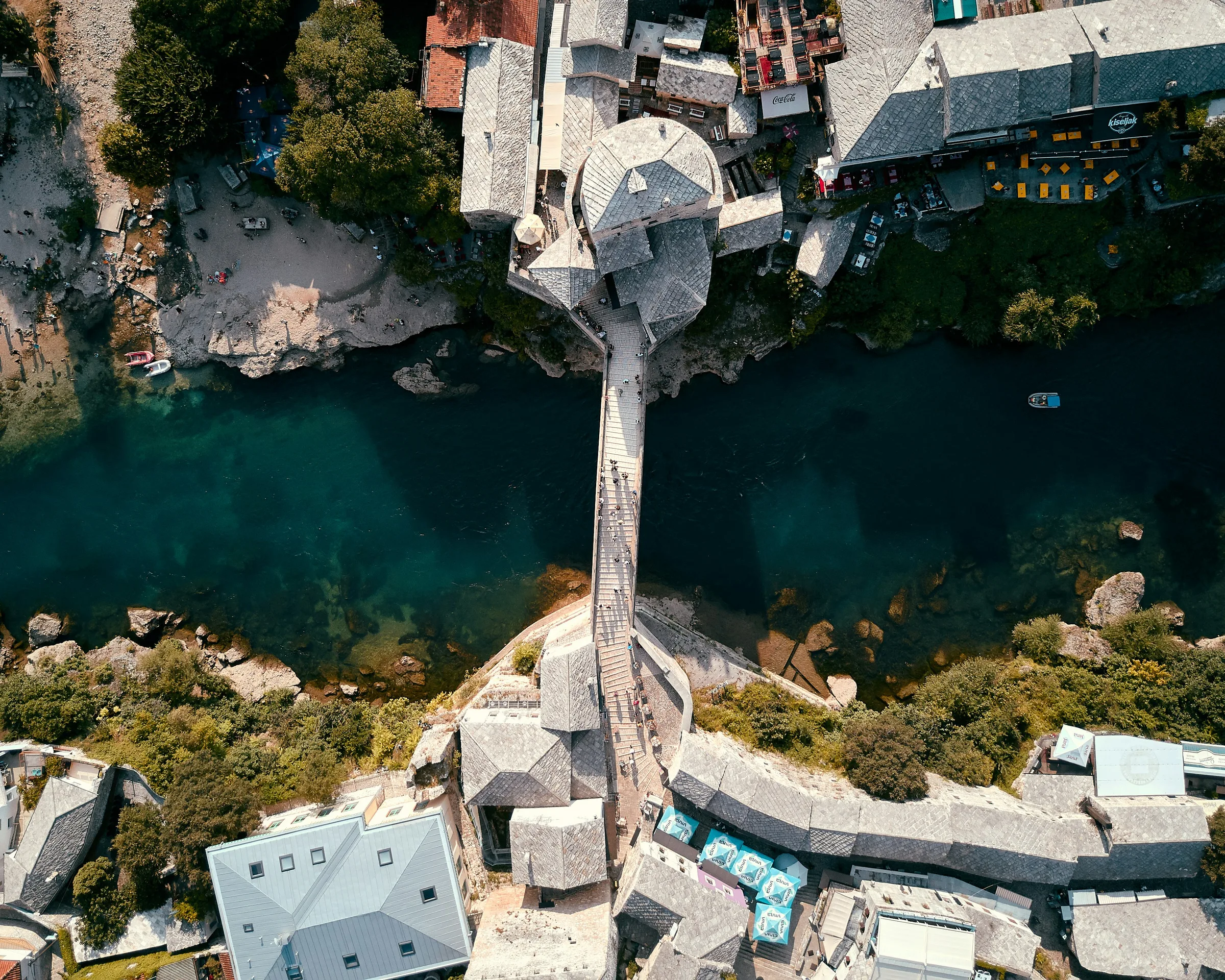
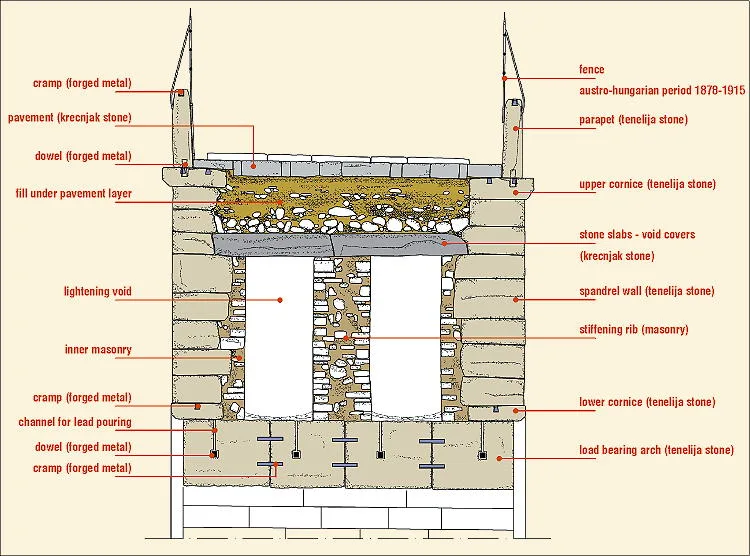
The bridge was commissioned by Suleiman the Magnificent as part of a broader Ottoman investment in the region. The stone used — tenelija, a local limestone that hardens with age and exposure — was quarried from the surrounding hills. The arch was so flat and so wide that contemporary observers doubted it would hold. According to local legend, Hayruddin fled the city on the day the scaffolding was removed, convinced it would collapse. It did not. It stood for nearly five centuries. The bridge became the defining landmark of Mostar — a city whose very name derives from mostari, the bridge keepers who maintained and guarded it. For centuries it connected the two banks of the Neretva, two communities, and two ways of life. Markets, trade, and daily movement flowed across it without interruption through Ottoman rule, Austro-Hungarian administration, and two World Wars.
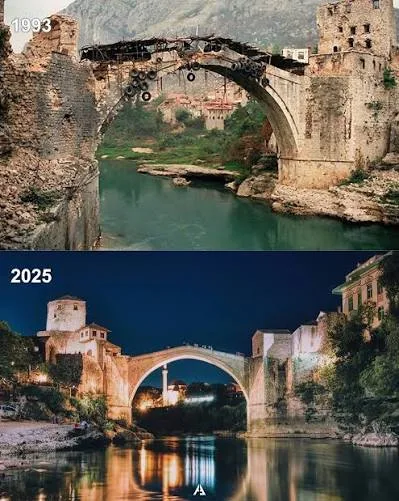
9 November 1993
On this date, after repeated shelling over several days, the Old Bridge collapsed into the Neretva river. It was deliberately targeted during the Bosnian War. The destruction was widely condemned as an act of cultural erasure — an attempt to erase not just a structure but the shared identity it represented. UNESCO later classified its destruction as a war crime. The bridge was gone. The stones sat on the riverbed.
The Rebuilding of the Symbol
What followed was one of the most remarkable reconstruction efforts in modern architectural history. Divers recovered the original stones from the river. Quarries were reopened to source matching tenelija limestone. Ottoman-era construction techniques were studied and replicated by hand. International teams of architects, engineers, and craftsmen worked for years on a project that was as much about meaning as it was about masonry. On 23 July 2004, the rebuilt Old Bridge was inaugurated. In 2005 it was inscribed as a UNESCO World Heritage Site — recognised not just as an architectural achievement but as a symbol of reconciliation and the possibility of restoration after destruction.
What It Means Today
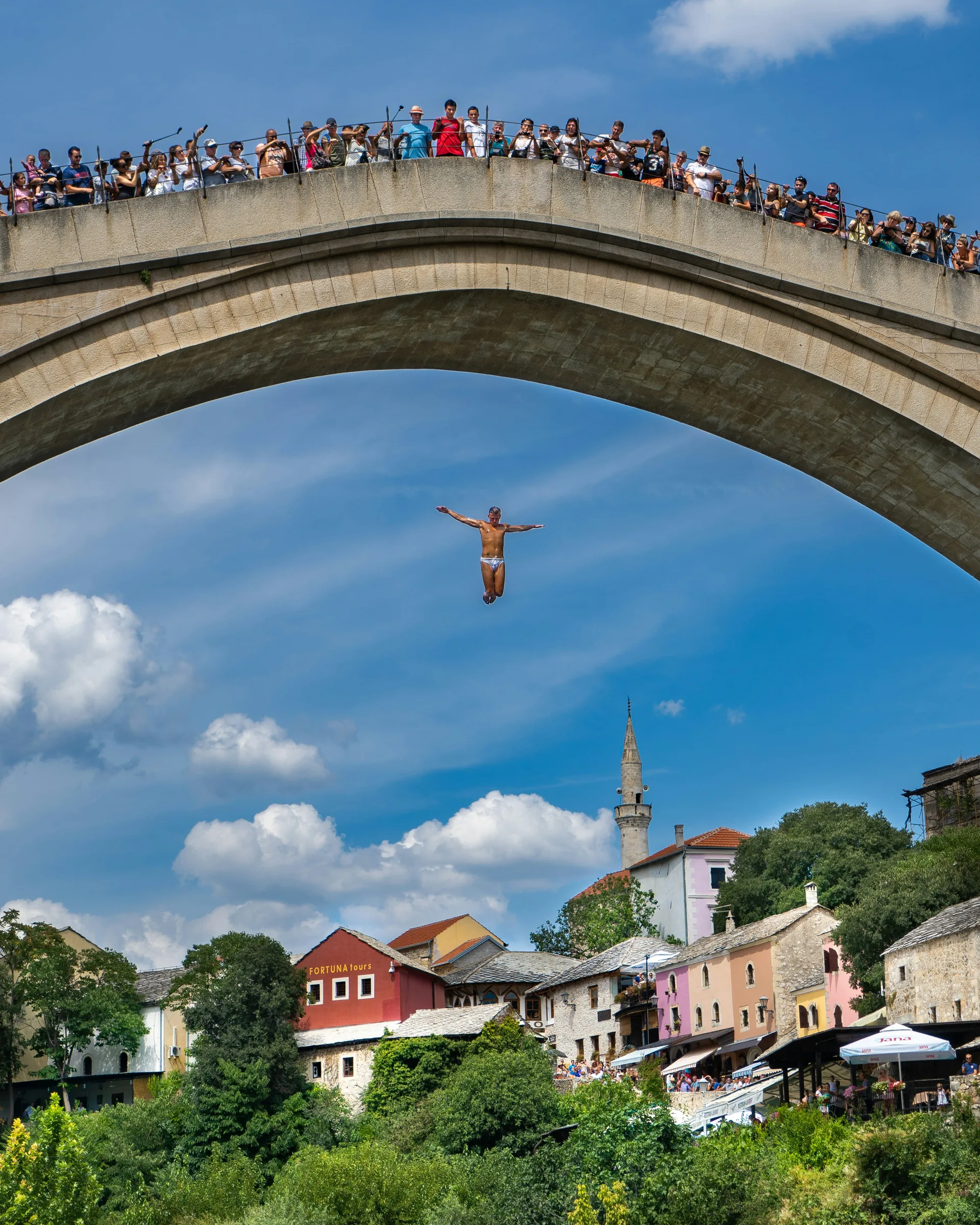
Visit Mostar on any day of the year and you will find people gathered at both ends of the bridge, looking at it, photographing it, crossing it slowly. Local divers still leap from its highest point into the Neretva below — a tradition that predates the war and has continued through everything. The bridge has its own association of divers, its own training ritual, its own folklore. The stone is original where it could be. The arch is exactly as Hayruddin designed it. And the meaning — of survival, of rebuilding, of choosing to restore rather than abandon — is entirely its own. Some bridges carry traffic. This one carries a country.
Keep Reading