Bosnian cuisine is one of Europe's best kept culinary secrets — slow-cooked, deeply layered, and built on centuries of Ottoman, Mediterranean, and Central European influence. Here is everything you need to know before your first bite.
Bosnia is not yet on the culinary map the way it deserves to be. That will change. The food here is honest, generous, and rooted in a tradition that has been quietly perfecting itself for five centuries without needing outside validation. If you are traveling to Sarajevo or anywhere in Bosnia and Herzegovina, eating well is not something you will have to work for. It will find you.
What to Drink Bosnian coffee is not espresso. It is not Turkish coffee, despite the similarity. It is its own thing — ground coffee added directly to a boiling džezva, left to settle, poured slowly into a small cup, and drunk without rushing. It is served with a sugar cube on the side and sometimes a piece of rahat lokum — lokum, the soft confection known elsewhere as Turkish delight. The ritual of serving and drinking it is as important as the coffee itself. Accept it when offered. Sit with it. Boza is a fermented grain drink, mildly sweet and slightly sour, found in the old bazaar. Rakija — fruit brandy, most commonly plum or grape — is the regional spirit and the traditional opener of any serious meal or gathering.
Where to Eat in Sarajevo The old town is the obvious starting point. Baščaršija has ćevabdžinice that have been serving the same dish in the same location for generations. For burek, the best versions are found at neighborhood bakeries that open before sunrise and sell out by mid-morning. For a full sit-down meal that reflects the breadth of the cuisine, look for restaurants serving traditional Bosnian food — not tourist menus — where the daily specials are written on a board and change with the season. The most honest answer to where to eat in Sarajevo is this: if someone local invites you to eat at their home, say yes immediately. That is where Bosnian food makes its fullest argument.
Why It Tastes Like This Bosnian food tastes the way it does because it was never in a hurry. It developed over centuries in a place where hospitality was a value, not a strategy, and where the table was the place where communities came together regardless of faith or background. The Ottoman layering, the Central European heartiness, the Mediterranean freshness of Herzegovina's herbs and vegetables — all of it converged in a cuisine that feeds people properly and expects them to stay a while. You will not eat badly in Bosnia. You may, however, find it very difficult to leave.
The Ottoman Foundation
Bosnian cuisine is built on an Ottoman base. When the Ottomans arrived in the 15th century they brought with them a culinary tradition of slow cooking, layered spicing, and a philosophy that treated food as hospitality made edible. That foundation is still visible in almost everything on a Bosnian table — in the way meat is prepared, in the structure of a meal, in the patience required to cook it properly.
The Dishes You Need to Know
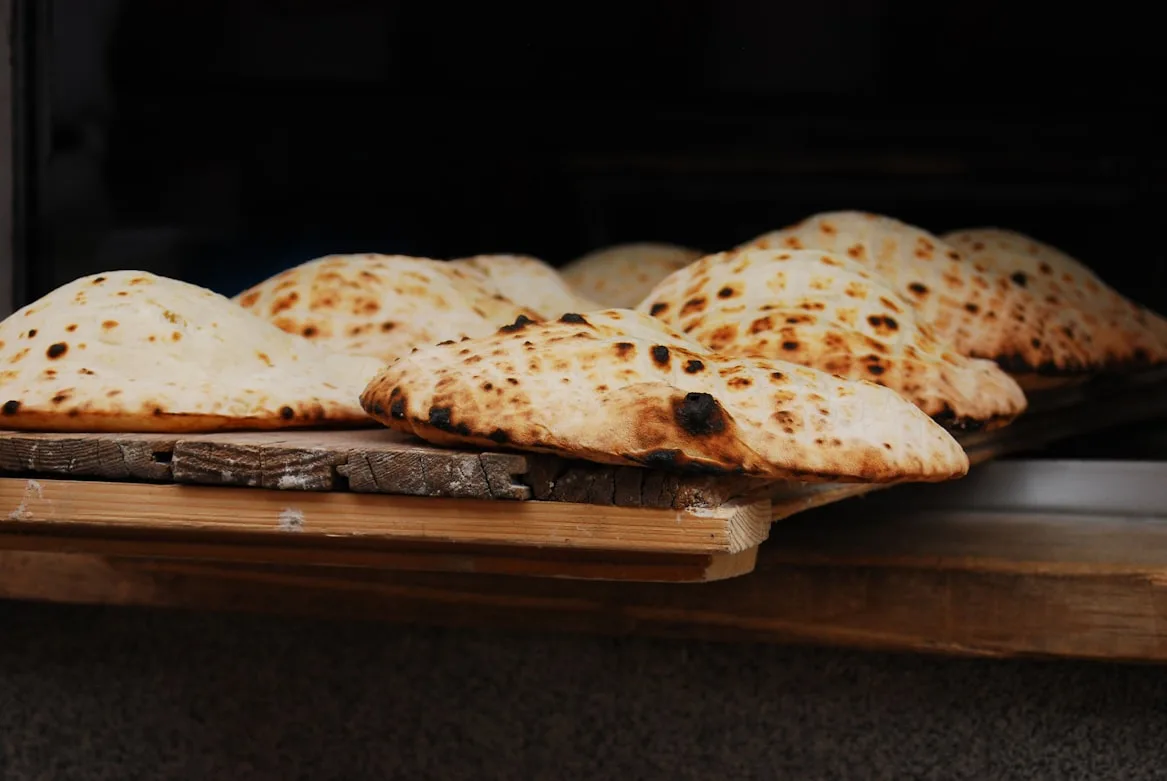
Ćevapi is the dish most visitors encounter first and it earns its reputation. Small hand-rolled minced meat sausages, grilled over charcoal, served in a somun — a soft flatbread — with raw onion and kajmak, a rich creamy dairy spread that has no precise Western equivalent. Eaten at a proper ćevabdžinica, a restaurant specialising in nothing else, this is one of the most satisfying meals in the Balkans.
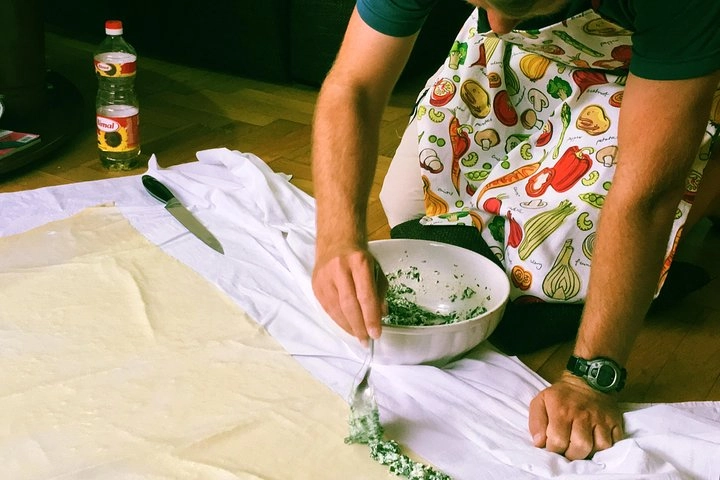
Burek deserves its own conversation. A flaky pastry made from hand-stretched dough, filled with minced meat, cheese, potato, or spinach, and baked in a large round tray. The dough is pulled by hand until it is almost transparent — a skill that takes years to develop properly. In Bosnia, burek refers specifically to the meat version. Ordering burek and receiving cheese fills will confuse a local. The cheese version is sirnica. The distinction matters here.
Begova čorba — the Bey's soup — is a slow-cooked broth of chicken or veal, vegetables, and okra, finished with cream. It is named after the Ottoman governors who once presided over Sarajevo and it remains one of the most refined and comforting dishes in the entire cuisine. Order it when you see it.
Klepe are Bosnian dumplings — small parcels of thin dough filled with minced meat or vegetables, boiled and served with garlic yogurt and paprika butter. They take time to make and the best versions are always homemade. If someone's grandmother made them, you are in the right place.
Dolma and sarma — stuffed vegetables and stuffed cabbage leaves respectively — represent the Ottoman influence at its most direct. Slow-cooked for hours, served warm, deeply savoury. The kind of food that requires an afternoon to prepare and ten minutes to understand why it was worth it.